N. luminary, light, flame,
spark,
scintilla,
phosphorescence,
fluorescence, sun, orb of day,
phoebus, apollo,
aurora, star,
orb,
meteor, falling star, shooting star, blazing star,
dog star,
sirius,
canicula,
aldebaran,
constellation,
galaxy,
zodiacal light,
anthelion, day star, morning star,
lucifer, mock sun,
parhelion,
phosphor, phosphorus, sun dog|, venus,
aurora, polar lights, northern lights, aurora borealis, southern lights, aurora australis,
lightning, chain lightning, fork lightning, sheet lightning, summer lightning, ball lightning, kugelblitz, phosphorus, yellow phosphorus, scintillator,
phosphor, firefly luminescence,
ignis fatuus, jack o'lantern, friar's lantern,
will-o'-the-wisp,
firedrake,
fata morgana, saint elmo's fire,
glowworm,
firefly, june bug, lightning bug, anglerfish, gas, gas light, lime light,
lantern,
lanthorn, dark lantern,
bull's-eye,
candle,
bougie,
taper,
rushlight, oil,
wick, burner, argand,
moderator,
duplex,
torch,
flambeau, link,
brand, gaselier,
chandelier,
electrolier,
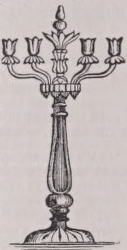
candelabrum,
candelabra,
girandole,
sconce,
luster,
candlestick, lamp, light, incandescent lamp, tungsten bulb, light bulb, flashlight,
torch, arc light, laser,
maser, neon bulb, neon sign, fluorescent lamp,
filament,
socket, contacts, filler gas,
firework,
fizgig,
pyrotechnics,
rocket,
lighthouse Phr. "blossomed the lovely stars, the forget-me-nots of the angels", "the sentinel stars set their watch in the sky", "the planets in their station list'ning stood", "the scriptures of the skies", "that orbed continent, the fire that severs day from night"