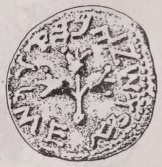
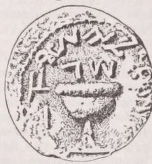
SHEKEL. In the system of Babylonian and Assyrian weights the talent (called in Heb. “>??, kikkar) consisted of 60 mana (Heb. Π.3£, maneh) or minas, and the latter again of sixty shekels (Heb. ⅛⅛*). For the values of these weights see Numismatics, vol. xvii. p. 631, where it is also explained that the Phoenicians and Hebrews modified the system and reckoned only 50 shekels to the maneh, at all events in applying the names to money, i.e., to the precious metals, and that the weight of their silver shekel was also probably modified for convenience of interchange between the gold and silver standard. The silver shekels of the Maccabees (Numismatics, p. 650) have a maximum weight of about 224 grains, and correspond to the Phoenician tetradrachm (four drams). Hence in Matt. xvii. 24 the temple tax of half a shekel is called the didrachm (2 drams). In 2 Sam. xiv. 26 we read of shekels “after the king’s weight,” i.e., according to the Assyrian standard, which is called “royal” on weights found at Nineveh. The Hebrews divided the shekel into twenty parts, each of which was a gerah (∏ζ)A).
שקל, signifies weight, money, shekel, _siclus_, a Hebrew weight and money, Exod. xxx, 23, 24; 2 Sam. xiv, 26. Shekel is used to denote the weight of any thing; as iron, hair, spices, &c. Dr. Arbuthnot makes the weight of the shekel equal to 9 dwt. 2<sup>4</sup>⁄<sub>7</sub> gr. English troy weight; and the value equal to 2s. 3⅜d. sterling money: but the golden shekel was worth 1_l._ 16_s._ 6_d._ English money. Some are of opinion that the Jews had two kinds of shekels, namely, the common one already noticed, and the shekel of the sanctuary, which last they make double the former. But most authors make them the same, and think that the word sanctuary is added to express a just and exact weight, according to the standards kept in the temple or tabernacle. Moses, Num. xviii, 16, and Ezekiel, xlv, 12, say, that the shekel was worth twenty gerahs.