N. indication,
symbolism,
symbolization,
semiology,
semiotics,
semeiology,
semeiotics, zeitgeist, characteristic,
diagnostic,
lineament, feature,
trait, fingerprint, voiceprint,
footprint, noseprint, cloven hoof,
footfall, recognition (memory) 505,
diagnostic, divining rod,
detector, sign, symbol, index, indice|,
indicator, point, pointer,
exponent, note,
token,
symptom, dollar sign, dollar mark, type, figure,
emblem,
cipher,
device, representation,
epigraph,
motto,
posy,
gesture,
gesticulation,
pantomime,
wink,
glance,
leer,
nod,
shrug,
beck, touch,
nudge,
dactylology,
dactylonomy,
freemasonry,
telegraphy,
chirology,
byplay, dumb show,
cue,
hint,
clue,
clew, key,
scent, signal, signal post,
rocket, blue light, watch fire, watch tower, telegraph,
semaphore,
flagstaff,
cresset, fiery cross,
calumet,
heliograph,
guidon,
headlight, mark,
scratch, line, stroke,
dash,
score,
stripe,
streak,
tick,
dot, point,
notch,
nick, print, imprint, impress, impression, keyboard symbols, printing symbols, red letter,
italics,
sublineation, underlining, bold font,
jotting, note,
annotation, reference,
blaze,
cedilla, guillemets,
hachure, quotation marks, double quotes, "",
parentheses, brackets, braces, curly brackets, arrows, slashes, left parenthesis, "("; right parenthesis, ")", opening bracket, " ", left curly brace, "{"; right curly brace, "}", left arrow, "<", right arrow, ">", forward slash, "/", backward slash, "\", exclamation point, "!", commercial at, "@", pound sign, "#", percent sign, "%",
carat, "^",
ampersand, "&",
asterisk, "*",
hyphen, "-",
dash, "-", "", em dash, "—", plus sign, "+", equals sign, "=", question mark, "?", period, ".",
semicolon, ";",
colon, ":",
comma, ",",
apostrophe, "'", single quote, "'",
tilde, "~",
badge,
criterion,
countercheck,
countermark,
countersign,
counterfoil,
duplicate, tally,
label,
ticket,
billet, letter, counter, check,
chip,
chop,
dib,
totem,
tessera, card, bill, witness,
voucher, stamp, cacher, trade mark, hall mark,
signature, mark,
autograph,
autography,
attestation, hand, hand writing, sign manual,
cipher, seal,
sigil,
signet, hand and seal,
paraph,
brand,
superscription,
indorsement,
endorsement,
password,
watchword,
catchword, security card, pass, passkey,
credentials, open sesame, timbrology, mot de passe, mot du guet,
pass-parole,
shibboleth, title, heading,
docket, address card, visiting card,
carte de visite,
insignia,
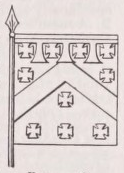
banner,
banneret,
bannerol,
bandrol, flag, colors, streamer, standard, eagle,
labarum,
oriflamb,
oriflamme,
figurehead,
ensign,
pennon,
pennant,
pendant,
burgee, blue peter,
jack, ancient,
gonfalon, union jack,
banderole, "old glory", quarantine flag,
vexillum, yellow-flag, yellow jack,
tricolor, stars and stripes,
bunting,
heraldry, crest, coat of arms, arms, armorial bearings,
hatchment,
escutcheon,
scutcheon, shield, supporters,
livery, uniform,
cockade,
epaulet,
chevron,
garland, love knot, favor,
beacon,
cairn, post, staff,
flagstaff, hand, pointer,
vane,
cock,
weathercock,
guidepost, handpost, fingerpost, directing post,
signpost, pillars of hercules,
pharos, bale-fire, beacon- fire, l'etoile du nord,
landmark,
seamark,
lighthouse,
balize,
polestar,
loadstar,
lodestar,
cynosure, guide, address, direction, name, sign,
signboard,
warning,
omen, prefigurement, trace, record,
warning,
alarm,
scepter,
trophy,
gauge,
milestone,
milepost,
brand, fool's cap, check,
telltale, test, mileage ticket,
milliary,
notification,
advertisement, word of command, call, bugle call, trumpet call, bell,
alarum, cry, battle cry, rallying cry,
angelus,
reveille, sacring bell, sanctus bell, exposition, proof, pattern
V. indicate, be the sign, of, denote,
betoken,
argue,
testify, bear the impress, of,
connote,
connotate, represent, stand for,
typify,
symbolize, put an indication, put a mark, note, mark, stamp,
earmark,
blaze,
label,
ticket,
docket,
dot, spot,
score,
dash, trace, chalk, print, imprint, impress,
engrave,
stereotype, make a sign,
signalize,
underscore, give a signal, hang out a signal,
beckon,
nod,
wink,
glance,
leer,
nudge,
shrug, tip the wink,
gesticulate, raise the finger, hold up the finger, raise the hand, hold up the hand, saw the air, "suit the action to the word", wave a banner, unfurl a banner, hoist a banner, hang out a banner, wave the hand, wave a kerchief, give the cue, show one's colors, give an alarm, sound an alarm, beat the drum, sound the trumpets, raise a cry, sign, seal,
attest, underline, call attention to, give notice