Imp
[Verb transitive]
Webster's Dictionary 1828
2. To
lengthen; to extend or
enlarge by something inserted or added; a term originally used by falconers, who repair a
hawk's wing by adding feathers.
3. IMP out our
drooping country's broken wings.
4. --The false north displays
5. Her broken league to imp her serpent wings.
6. This verb is, I believe, used only in poetry.
Imp
[Noun]
Webster's Dictionary 1913
3. A young or inferior devil; a little,
malignant spirit; a
puny demon; a contemptible evil worker.
4. Something added to, or united with, another, to
lengthen it out or repair it, -- as, an addition to a
beehive; a
feather inserted in a broken wing of a bird; a length of twisted hair in a fishing line.
The state of being closely surrounded, crowded, or pressed, as by ice.
Impact
[Verb transitive]
Webster's Dictionary 1828
To drive close; to press or drive firmly together.
Impact
[Noun]
Webster's Dictionary 1913
1. Contact or impression by touch;
collision; forcible contact; force communicated.
2. The single
instantaneous stroke of a body in motion against another either in motion or at rest.
Impact
[Verb transitive]
Webster's Dictionary 1913
To drive close; to press firmly together: to
wedge into a place.
Impacted
[Participle passive]
Webster's Dictionary 1828
Driven hard; made close by driving.
Impacted
[Adjective]
Webster's Dictionary 1913
Driven together or close.
1. The driving of one fragment of bone into another so that the fragments are not movable upon each other; as, impaction of the skull or of the
hip.
2. An immovable
packing; (Med.), a
lodgment of something in a strait or passage of the body; as, impaction of the
fetal head in the strait of the
pelvis; impaction of food or
feces in the intestines of man or beast.
Impair
[Adjective]
Webster's Dictionary 1828
1. In
crystallography, when a different number of faces is presented by the prism, and by each summit; but the three numbers follow no law of
progression.
2. IMPA'IR
Impair
[Verb intransitive]
Webster's Dictionary 1828
To be
lessened or worn out. [Little used.]
Impair
[Verb transitive]
Webster's Dictionary 1828
1. To make worse; to diminish in quantity, value or excellence. An estate is impaired by
extravagance or neglect. The
profligate impairs his estate and his reputation.
3. To
weaken; to
enfeeble. The constitution is impaired by
intemperance, by
infirmity and by age. The force of evidence may be impaired by the suspicion of interest in the witness.
Impair
[Verb transitive]
Webster's Dictionary 1913
1. To make worse; to diminish in quantity, value, excellence, or strength; to
deteriorate; as, to impair health, character, the mind, value.
Impairer
[Noun]
Webster's Dictionary 1828
He or that which impairs.
Impairer
[Noun]
Webster's Dictionary 1913
One who, or that which, impairs.
Diminution; decrease; injury. [Not used.]
The state of being impaired; injury.
Impale
[Verb transitive]
Webster's Dictionary 1828
1. To fix on a
stake; to put to death by fixing on an upright sharp
stake. [ See
Empale .]
2. To inclose with stakes, posts or palisades.
3. In
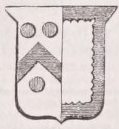
heraldry, to join two coats of arms pale-wise.
Impale
[Verb transitive]
Webster's Dictionary 1913
2. To inclose, as with pales or stakes; to
surround.
3. To join, as two coats of arms on one shield,
palewise; hence, to join in honorable mention.
1. The act of impaling, or the state of being impaled.
2. An inclosing by stakes or pales, or the space so inclosed.
4. The division of a shield
palewise, or by a vertical line, esp. for the purpose of putting side by side the arms of husband and wife. See Impale, 3.