N. support, ground, foundation, base, basis, terra firma, bearing,
fulcrum,
bait, caudex crib, point d’appui, ποῦ στῶ, purchase footing, hold, locus standi, landing place, landing stage, stage, platform, block, rest, resting place,
groundwork,
substratum,
riprap,
sustentation,
subvention, floor, supporter, aid, prop, stand,
anvil, fulciment|, cue rest,
jigger,
monkey, stay, shore,
skid, rib,
truss,
bandage, sleeper,
stirrup, stilts,
shoe, sole,
heel,
splint,
lap, bar, rod,
boom,
sprit,
outrigger, ratlings, staff, stick,
crutch,
alpenstock,
baton,
staddle,
bourdon,
cowlstaff, lathi, mahlstick, post,
pillar, shaft,
thill, column,
pilaster,
pediment,
pedicle,
pedestal,
plinth,
shank, leg,
socle,
zocle,
buttress,
jamb,
mullion,
abutment,
baluster,
banister,
stanchion,
balustrade,
headstone, upright, door post,
jamb, door jamb, frame,
framework,
scaffold, skeleton, beam,
rafter, girder,
lintel,
joist,
travis,
trave, corner stone, summer,
transom,
rung, round, step,
sill, angle rafter, hip rafter,
cantilever,
modillion, crown post, king post,
vertebra,
columella,
backbone,
keystone,
axle,
axletree, axis, arch,
mainstay,
trunnion,
pivot,
rowlock,
peg,
tiebeam, thole pin, board,
ledge,
shelf,
hob,
bracket,
trevet,
trivet,
arbor,
rack,
mantel, mantle piece, mantleshelf,
slab,
console, counter, dresser,
flange,
corbel, table,
trestle, shoulder,
perch, horse,
easel,
desk,
clotheshorse,
hatrack, retable,
teapoy, seat, throne,
dais,
divan, musnud, chair,
bench, form,
stool,
sofa,
settee,
stall, arm chair, easy chair, elbow chair, rocking chair,
couch,
fauteuil,
woolsack,
ottoman, settle,
squab,
bench,
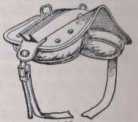
aparejo,
faldstool, horn, long chair, long sleeve chair, morris chair, lamba chauki, lamba kursi,
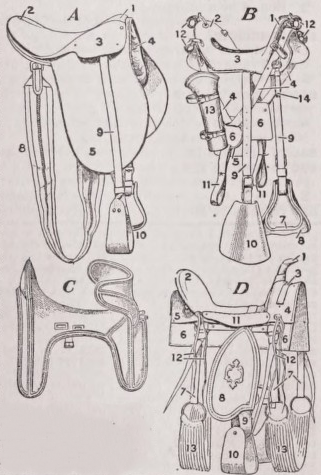
saddle,
pannel,
pillion, side saddle,
pack saddle,
pommel, bed,
berth,
pallet, tester,
crib,
cot,
hammock,
shakedown, trucklebed,
cradle,
litter, stretcher,
bedstead, four poster, french bed,
bunk,
kip, palang,
bedding, bichhona,
mattress,
paillasse,
pillow,
bolster, mat,
rug,
cushion,
footstool,
hassock,
tabouret,
tripod, monopod,
atlas, persides,
atlantes,
caryatides,
hercules V. be supported &c, lie on, sit on, recline on, lean on, loll on, rest on, stand on, step on, repose on, abut on, bear on, be based on &c, have at one's back,
bestride,
bestraddle, support, bear, carry, hold,
sustain, shoulder, hold up, back up, bolster up, shore up,
uphold,
upbear, prop, under prop, under pin, under set,
riprap,
bandage, give support, furnish support, afford support, supply support, lend support, give foundations, furnish foundations, afford foundations, supply foundations, lend foundations, bottom, found, base, ground, imbed,
embed, maintain, keep on foot, aid
Adj. supporting, supported, fundamental, dorsigerous