N. animal,
animal kingdom, fauna, brute creation, beast,
brute, creature, critter,
wight, created being, creeping thing, living thing, dumb animal, dumb creature,
zoophyte,
mammal, bird,
reptile,
amphibian, fish,
crustacean,
shellfish,
mollusk, worm, insect,
arthropod,
microbe,
microbe,
animalcule,
alligator,
crocodile,
saurian,
dinosaur,
snake, serpent,
viper,
eft,
asp, aspick,
frog,
toad,
trout, bass,
tuna,
muskelunge,
sailfish,
sardine,
mackerel,
ant,
mosquito,
bee,
honeybee,
tardigrade,
spider,
biped,
quadruped, flocks and herds, live stock, domestic animals, wild animals, game,
ferae naturae, beasts of the field, fowls of the air, denizens of the sea, black game, black grouse,
blackcock,
duck,
grouse,
plover, rail,
snipe, horse, cattle,
kine, ox,
bull,
bullock, cow, milch cow,
calf,
heifer,
shorthorn, sheep, lamb,
lambkin,
ewe, ram,
tup, pig,
swine,
boar,
hog,
sow,
steer,
stot,
tag,
teg,
bison,
buffalo,
yak,
zebu, dog, cat, dog,
hound,
pup,
puppy,
whelp,
cur,
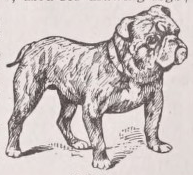
mongrel, house dog, watch dog, sheep dog, shepherd's dog, sporting dog, fancy dog, lap dog, toy dog, bull dog, badger dog,
mastiff, blood hound, grey hound, stag hound, deer hound, fox hound, otter hound,
harrier,
beagle,
spaniel, pointer,
setter,
retriever,
newfoundland,
water dog,
water spaniel,
pug,
poodle,
turnspit,
terrier, fox terrier,
skye terrier, dandie dinmont,
collie,
feline,
puss,
pussy,
grimalkin, gib cat, tom cat, fox,
reynard,
vixen,
stag, deer,
hart,
buck,
doe,
roe,
caribou,
coyote,
elk,
moose, musk ox, sambar, bird,
poultry, fowl,
cock,
hen,
chicken,
chanticleer,
partlet,
rooster, dunghill cock, barn door fowl, feathered tribes, feathered songster, singing bird, dicky bird,
canary,
warbler,
finch, aberdevine,
cushat,
cygnet,
ringdove,
siskin,
swan, wood pigeon,
vermin, varmint,
pest Adj. animal, zoological equine,
bovine,
vaccine,
canine,
feline,
fishy,
piscatory,
piscatorial,
molluscous,
vermicular,
gallinaceous,
rasorial,
solidungulate,
soliped Man Roget’s Thesaurus §373 N. man, male, he, him,
manhood, # gentleman, sir, master,
sahib,
yeoman, wight|,
swain, fellow,
blade,
beau,
elf, chap,
gaffer, good man, husband, mr,
mister, boy,
cock,
drake,
gander, dog,
boar,
stag,
hart,
buck, horse, entire horse,
stallion,
gibcat,
tomcat, he goat,
billy goat, ram,
tup,
bull,
bullock,
capon, ox,
gelding,
steer,
stot, androgen, homosexual, gay, queen
V. masculinize
Phr. hominem pagina nostra sapit, homo homini aut deus aut lupus, homo vitae commodatus non donatus est
Pron. he, him, his
Error Roget’s Thesaurus §495 N. error,
fallacy, misconception,
misapprehension, misstanding, misunderstanding, inexactness,
laxity, misconstruction,
miscomputation,
non sequitur, mis-statement, mis-report, mumpsimus, mistake, miss, fault,
blunder, quiproquo, cross purposes, oversight, misprint,
erratum,
corrigendum, slip,
blot,
flaw, loose thread,
trip,
stumble,
botchery, slip of the tongue, slip of the lip, freudian slip, slip of the pen, lapsus linguae, clerical error,
bull, haplography,
illusion,
delusion,
snare, false impression, false idea,
bubble, self- decit,
self-deception, mists of error, heresy,
hallucination, false light, dream,
fable,
bias, misleading
V. be erroneous, cause error, mislead, misguide, lead astray, lead into error,
beguile,
misinform,
delude, give a false impression, give a false idea,
falsify, misstate,
deceive, lie,
err, be -in error, be mistaken, be deceived, mistake, receive a false impression, deceive oneself, fall into error, lie under error, labor under an error, be in the wrong,
blunder,
misapprehend, misconceive, misunderstand,
misreckon, miscount,
miscalculate, play at cross purposes, be at cross purposes,
trip,
stumble, lose oneself, go astray, fail, be in the wrong box, take the wrong sow by the ear, put the saddle on the wrong horse, reckon without one's host, take the shadow for the substance, dream
Adj. erroneous, untrue, false, devoid of truth,
fallacious,
apocryphal, unreal, ungrounded, groundless, unsubstantial,
heretical, unsound,
illogical, inexact, unexact inaccurate, incorrect, indefinite,
illusive,
illusory,
delusive,
mock, ideal,
spurious,
deceitful,
perverted,
controvertible,
unsustainable,
unauthenticated, untrustworthy,
exploded,
refuted, discarded, in error, under an error, mistaken,
tripping, out, out in one's reckoning,
aberrant, beside the mark, wide of the mark, wide of the truth, way off, far off,
astray, on a false scent, on the wrong scent, in the wrong box, outside the ballpark, at cross purposes, all in the wrong, all out
Adv. more or less
Phr. errare est humanum, mentis gratissimus error, "on the dubious waves of error tost", "to err is human, to forgive divine", "you lie—under a mistake"
N. absurdity,
absurdness,
imbecility, alogy|, nonsense, utter nonsense,
paradox,
inconsistency,
stultiloquy,
stultiloquence,
nugacity,
blunder,
muddle,
bull, irishism|, hibernicism|,
slipslop,
anticlimax,
bathos,
sophism,
farce, galimathias, amphigouri,
rhapsody,
farrago, betise,
extravagance, romance,
sciamachy, sell,
pun, verbal quibble,
macaronic,
jargon,
fustian,
twaddle,
gibberish,
exaggeration,
moonshine, stuff, mare's nest,
quibble,
self-delusion,
vagary,
tomfoolery, poppycock,
mummery, monkey trick,
boutade,
escapade V. play the fool, talk nonsense, parler a tort et a travess, battre la campagne, ἀνεμώλια βάζειν be -absurd
Adj. absurd,
nonsensical,
preposterous,
egregious, senseless, inconsistent,
ridiculous,
extravagant,
quibbling, self-annulling, self- contradictory,
macaronic,
punning,
foolish,
sophistical, unmeaning, without rhyme or reason,
fantastic Phr. credat judaeus apella, tell it to the marines, faculties
Int. fiddlededee,
pish, pho, "in the name of the prophet—figs!"
N. solecism, bad grammar, false grammar, faulty grammar, slip of the pen, slip of the tongue, lapsus linguae,
slipslop,
bull,
barbarism, impropriety
V. use bad grammar, faulty grammar,
solecize, commit a solecism, murder the king's english, murder the queen's english, break priscian's head
N. command, order,
ordinance, act,
fiat, hukm,
bidding,
dictum,
hest,
behest, call,
beck,
nod,
despatch,
dispatch, message, direction, injunction, charge, instructions, appointment,
fixture, demand,
exaction, imposition,
requisition, claim,
reclamation,
revendication,
ultimatum, request, requirement,
dictation,
dictate,
mandate,
caveat, decree, senatus consultum,
precept,
prescript,
rescript, writ,
ordination,
bull, ex cathedra pronouncement, edict,
decretal,
dispensation,
prescription,
brevet,
placit,
ukase, ukaz,
firman,
hatti-sherif, warrant,
passport,
mittimus,
mandamus,
summons,
subpoena,
nisi prius,
interpellation,
citation, word, word of command, mot d'ordre, bugle call, trumpet call, beat of drum,
tattoo, order of the day,
enactment,
plebiscite V. command, order, decree,
enact,
ordain,
dictate, direct, give orders,
prescribe, set,
appoint, mark out, set a task, prescribe a task, impose a task, set to work, put in requisition,
bid,
enjoin, charge, call upon,
instruct, require at the hands of, exact,
impose, tax, task, demand, insist on, claim, lay claim to,
revendicate, reclaim,
cite,
summon, call for, send for,
subpoena,
beckon, issue a command, make a requisition, issue a requisition, promulgate a requisition, make a decree, issue a decree, promulgate a decree, make an order, issue an order, promulgate an order, give the word of command, give the word, give the signal, call to order, give the law, lay down the law, assume the command,
remand, be -ordered &c, receive an order
Adv. in a commanding tone, by a stroke of the pen, by a dash of the pen, by order, at beat of drum, on the first summons
Phr. the decree is gone forth, sic volo sic jubeo, le roi le veut, boutez en avant
N. merchant, trader, dealer,
monger,
chandler,
salesman, changer,
regrater,
shopkeeper,
shopman,
tradesman,
tradespeople,
tradesfolk, retailer,
chapman,
hawker,
huckster,
higgler,
pedlar,
colporteur,
cadger,
autolycus,
sutler,
vivandiere, costerman,
costermonger,
tallyman,
camelot, faker,
vintner, money broker, money changer, money lender,
cambist,
usurer, moneyer, banker,
jobber, broker,
buyer, seller, bear,
bull,
concern, firm
N. stock market,
stock exchange, securities exchange,
bourse, board, the big board, the new york stock exchange, the market, the open market, over- the-counter market, privately traded issues, commodities exchange, futures exchange, futures market, the pit, the floor,
ticker, stock ticker,
quotation, stock index, market index, the dow jones index, the dow industrials, the transportation index, utilities, the utilities index, the new york stock exchange index, the nikkei index, the financial times index, the fti, the over-the-counter index, nasdaq index, broker,
stockbroker,
jobber, stock dealer, odd-lot dealer,
specialist,
investor,
speculator,
operator,
bull,
buyer, bear, short seller,
scalper, arbitrager, arbitrageur,
stockholder, share-holder, stockholder of record, bond holder, coupon-clipper,
investment, speculation
V. speculate,
invest, trade, trade stocks, play the market, buy long, sell short, take a position,
straddle, take a plunge, plunge in, take a flier