N. impulse,
impulsion,
impetus,
momentum,
push,
pulsion, thrust,
shove,
jog,
jolt,
brunt,
booming,
boost, throw,
explosion,
propulsion,
percussion,
concussion,
collision, occursion|,
clash,
encounter, cannon, carambole,
appulse,
shock,
crash,
bump,
impact,
elan, charge, beating, blow,
dint, stroke,
knock,
tap,
rap,
slap,
smack,
pat,
dab,
fillip,
slam,
bang,
hit,
whack,
thwack,
cuff,
squash,
dowse,
swap,
whap,
punch,
thump,
pelt,
kick, punce|,
calcitration, ruade, arietation|, cut, thrust,
lunge, yerk|,
carom,
carrom, clip *,
jab, plug*, sidewinder*, sidewipe, sideswipe, hammer, sledge hammer,
mall,
maul,
mallet,
flail, ram,
rammer,
battering ram,
monkey, pile-driving engine,
punch,
bat,
cant hook,
cudgel,
ax,
dynamics,
seismometer,
accelerometer, earthquake detector
V. give an impetus,
impel,
push, start, give a start to, set going, drive,
urge,
boom, thrust,
prod,
foin,
cant,
elbow, shoulder,
jostle,
justle,
hustle,
hurtle,
shove,
jog,
jolt,
encounter, run against, bump against, butt against, knock one's head against, run one's head against,
impinge,
boost,
bunt,
carom, clip y,
fan, fan out,
jab, plug *, strike,
knock,
hit,
tap,
rap,
slap,
flap,
dab,
pat,
thump, beat, blow,
bang,
slam,
dash,
punch,
thwack,
whack, hit hard, strike hard,
swap,
batter, dowse|,
baste,
pelt,
patter,
buffet,
belabor, fetch one a blow, poke at,
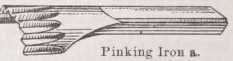
pink,
lunge,
yerk,
kick,
calcitrate,
butt, strike at, whip *c, (punish) 972, come into a collision, enter into collision,
collide, sideswipe, foul, fall foul of, run foul of, telescope, throw
Phr. "a hit, a very palpable hit"
N. red, scarlet,
vermilion,
carmine,
crimson,
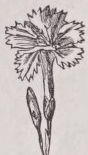
pink, lake,
maroon,
carnation, couleur de rose, rose du barry,
magenta,
damask, purple, flesh color, flesh tint, color, fresh color, high color,
warmth,
gules,
ruby,
carbuncle, rose,
rust, iron mold,
cinnabar,
cochineal,
fuchsine,
ruddle,
madder, indian red, light red, venetian red, red ink,
annotto, annatto,
realgar,
minium, red lead, redness,
rubescence,
rubicundity,
rubification,
erubescence,
blush V. be red, become red,
blush,
flush, color up,
mantle,
redden, render red,
redden,
rouge,
rubify,
rubricate,
incarnadine,
ruddle Adj. red, reddish,
rufous,
ruddy,
florid,
incarnadine,
sanguine,
rosy,
roseate,
blowzy, blowed, burnt,
rubicund,
rubiform,
lurid, stammell blood red, russet buff,
murrey,
carroty,
sorrel,
lateritious, rubineous,
rubricate, rubricose, rufulous,
rose-colored, ruby-colored, cherry-colored, claret-colored, flame- colored, flesh-colored,
peach-colored, salmon-colored, brick-colored, brick-colored, dust-colored,
blushing,
erubescent,
reddened, red as fire, red as blood, red as scarlet, red as a turkey cock, red as a lobster, warm, hot,
foxy, complementary colors
N. perfection, perfectness,
indefectibility,
impeccancy,
impeccability,
pink,
beau ideal,
phenix,
paragon, pink of perfection, acme of perfection, ne plus ultra, summit, cygne noir, philosopher's stone,
chrysolite, koh-i-noor, model, standard, pattern, mirror, admirable crichton,
trump, very prince of,
masterpiece,
superexcellence,
transcendence V. be perfect,
transcend, bring to perfection, perfect,
ripen,
mature, complete &, c, 729, put in trim,
maturate Adj. perfect, faultless, indefective, indeficient, indefectible,
immaculate, spotless,
impeccable, free from imperfection,
unblemished, uninjured, sound, sound as a roach, in perfect condition,
scathless,
intact,
harmless,
seaworthy, right as a trivet, in seipso totus teres atque rotundus,
consummate, finished, best, model, standard,
inimitable,
unparagoned, unparalleled,
superhuman, divine, beyond all praise, sans peur et sans reproche, adv, to perfection, perfectly, ad unguem, clean, - as a whistle, phr, "let us go on unto perfection", "the perfection of art is to conceal art"
N. distinction, mark, name, figure,
repute, reputation, good repute, high repute, note,
notability,
notoriety,
eclat, "the bubble reputation",
vogue,
celebrity, fame, famousness,
renown, popularity, aura popularis,
approbation, credit, succes d'estime,
prestige, talk of the town, name to conjure with, glory, honor,
luster, illustriousness, account, regard, respect, reputableness,
respectability, good name, good report, fair name, dignity,
stateliness,
solemnity,
grandeur,
splendor, nobility, majesty,
sublimity, rank, standing, brevet rank,
precedence,
pas, station, place, status, position, position in society, order, degree,
baccalaureate, locus standi,
caste, condition, greatness, eminence, height, importance, preeminence,
supereminence, high mightiness,
primacy, top of the ladder, top of the tree, elevation,
ascent, superaltation,
exaltation,
dignification,
aggrandizement,
dedication,
consecration,
enthronement,
canonization,
celebration, enshrinement,
glorification, hero, man of mark, great card,
celebrity, worthy, lion, rara avis,
notability,
somebody,
classman, man of rank, pillar of the state, pillar of the church, pillar of the community, chief, first fiddle,
cynosure, mirror, flower,
pink,
pearl,
paragon, choice and master spirits of the age,
elite, star, sun,
constellation,
galaxy, ornament, honor, feather in one's cap,
halo,
aureole,
nimbus, halo of glory, blaze of glory, blushing honors, laurels, memory, posthumous fame, niche in the temple of fame, immortality, immortal name, magni nominis umbra
V. be conscious of glory, be proud of,
exult, be vain of, be distinguished,
shine, shine forth, figure, cut a figure, make a dash, make a splash, rival,
surpass,
outshine, outrival,
outvie, outjump,
emulate,
eclipse, throw into the shade, cast into the shade, overshadow, live,
flourish,
glitter,
flaunt, gain honor, acquire honor, play first fiddle, bear the palm, bear the bell, lead the way, take precedence, take the wall of, gain laurels, win laurels, gain spurs, gain golden opinions, take one's degree, pass one's examination, make a noise, make some noise, make a noise in the world, leave one's mark, exalt one's horn, blow one's horn, star it, have a run, be run after, come into vogue, come to the front, raise one's head,
enthrone,
signalize,
immortalize,
deify, exalt to the skies, hand one's name down to posterity,
consecrate, dedicate to, devote to,
enshrine,
inscribe,
blazon,
lionize, blow the trumpet, crown with laurel, confer honor on, reflect honor on, shed a luster on, redound to one's honor,
ennoble, give honor to, do honor to, pay honor to, render honor to, honor,
accredit, pay regard to,
dignify,
glorify, sing praises to, lock up to,
exalt,
aggrandize,
elevate,
nobilitate Adj. distinguished, distingue, noted, of note, honored, popular, fashionable, in good odor in, favor, in high favor, reputable, respectable, creditable, remarkable, notable,
notorious, celebrated,
renowned, ion every one's mouth, talked of, famous, famed,
far-famed, conspicuous, to the front, foremost, in the front rank, in the ascendant, imperishable, deathless,
immortal, never fading, aere perennius, time honored, illustrious, glorious, splendid, brilliant,
radiant, bright,
full-blown,
honorific, eminent, prominent, high, in the zenith, at the head of, at the top of the tree,
peerless, of the first water, superior,
supereminent, preeminent, great,
dignified, proud, noble, honorable, worshipful, lordly, grand, stately, august, princely, imposing, solemn,
transcendent,
majestic, sacred,
sublime,
heaven-born, heroic, sans peur et sans reproche,
sacrosanct Phr. one's name being in every mouth, one's name living for ever, sic itur ad astra, fama volat, aut caesar aut nullus, not to know him argues oneself unknown, none but himself could be his parallel, palmam qui meruit ferat, "above all greek above all roman fame", - cineri gloria sera est, "great is the glory for the strife is hard", honor virtutis praemium, immensum gloria calcar habet, "the glory dies not and the grief is past", vivit post funera virtus